.png) Diagnosing well
Diagnosing wellImproving how LBD is diagnosed in Ireland — earlier, faster, and with better care pathways.
Learn more Living well
Understanding what life with LBD looks like and how to support people every step of the way.
Learn more Translating knowledge
Turning research into real-world tools, awareness campaigns, and creative public engagement.
Learn more Impacting policy
Bringing evidence to policy and practice — shaping services that work for people with LBD.
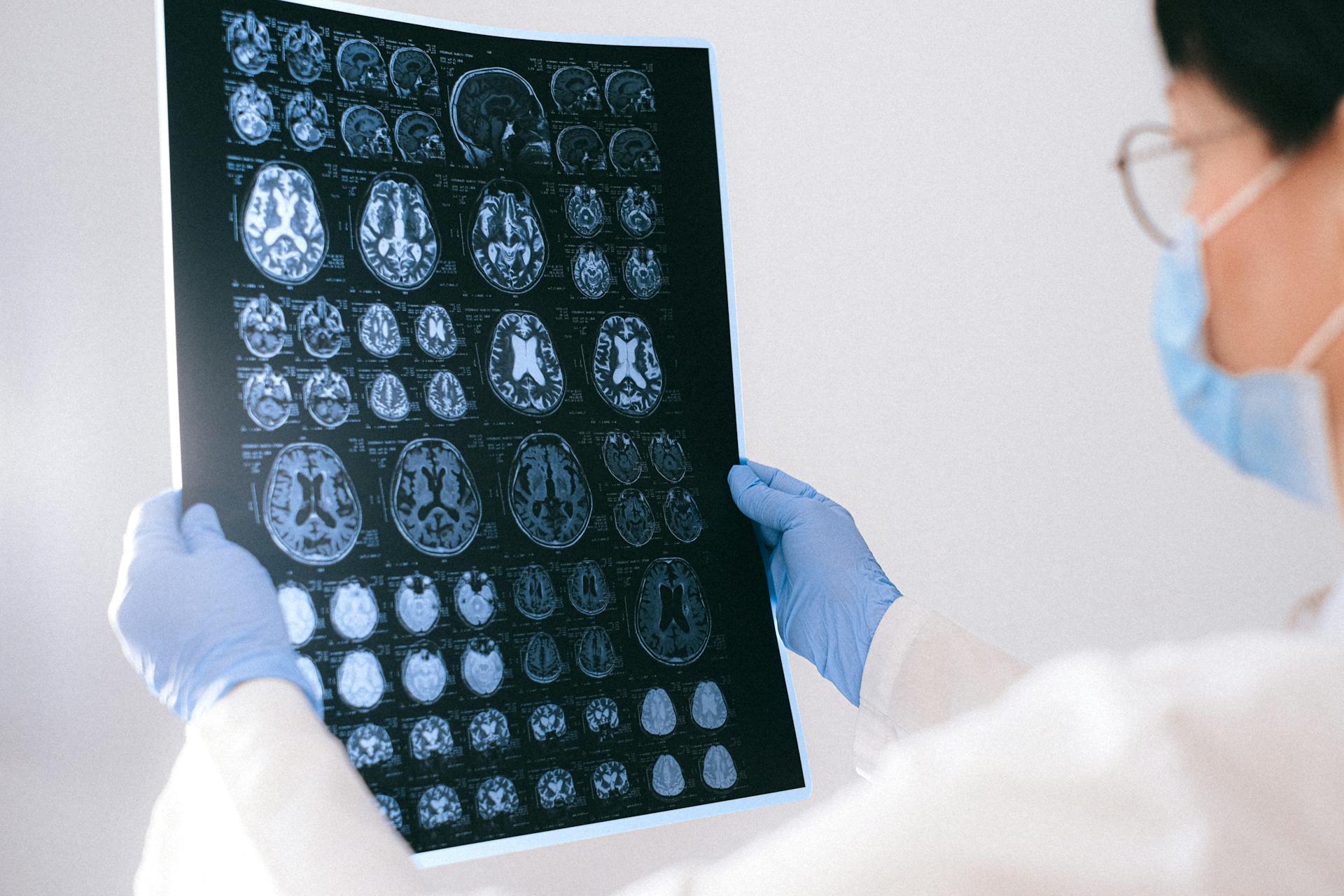
Learn moreLBD is notoriously difficult to diagnose. Its symptoms overlap with Alzheimer’s and Parkinson’s, and it often co-occurs with both. This has led to a system where most people with LBD are never diagnosed, or diagnosed too late.
We look at how LBD is currently diagnosed, the barriers involved, and how to improve it through collaboration with healthcare professionals, researchers, and patients
Barriers to diagnosis in clinical settings: Work Package 1 (Lead Irina Kinchin)
Setting up a National Irish Research cohort for LBD: Work Package 2 (Leads Iracema Leroi & Suzanne Timmons)
Real-world care pathways in the Irish health system: Work Package 3 (Leads Roman Romero-Ortuno & Joseph Kane)

This workstream centres the voices of people with LBD and their care partners. Through interviews, workshops, and shared storytelling, we aim to better understand what it means to live well — and how peer support and community networks can help.
We also explore the emotional, social, and physical aspects of the condition, as experienced across different stages of the illness.
Peer support structures: Work package 4 (lead Emma O'Shea)
Capturing real world data: Work Package 5 (Lead Claire Gillan)
Quality of life research: Work Package 6 (lead Irina Kinchin)
Experts by experience/ Public and Patient Involvement: Work Package 7 (leads Brian Magennis & Eben Stewart
LBD is often called “the most common form of dementia no one has heard about.” This workstream seeks to change that.
By working directly with Patient and Public Involvement (PPI) contributors, we create resources that bridge the gap between research and real life. That includes public campaigns, policy toolkits, visual storytelling, and arts-based engagement.
Co-designed education and training programmes: Work Package 8 (lead Sean Kennelly)
Arts in Health projects (Leads Nicholas Johnson and Kate Irving)
Awareness campaigns
.webp)

This workstream connects research to real-world impact. We work with health service providers, government agencies, and advocacy groups to translate insights into action — from service design to national policy updates.
By identifying service gaps and proposing scalable solutions, we aim to ensure LBD is better understood and supported within the healthcare system.
Service improvement strategies, health policy recommendations and national system change: Work Package 10 (lead Ann Nolan)

.webp)
Our partners help us explore Lewy body dementia from every angle: clinical, scientific, social, and personal. Together, we’re creating a national response to a widely overlooked condition.
(leads Iracema Leroi and Anusha Yasoda-Mohan)
Goal: bring together experts from different disciplines to encourage interdisciplinarity in STEAM and to develop methodology to understand lived experience
.jpg)

Whether you’re a researcher, healthcare professional, care partner, or someone with lived experience — your voice matters. Help shape the future of Lewy body dementia care and research in Ireland.